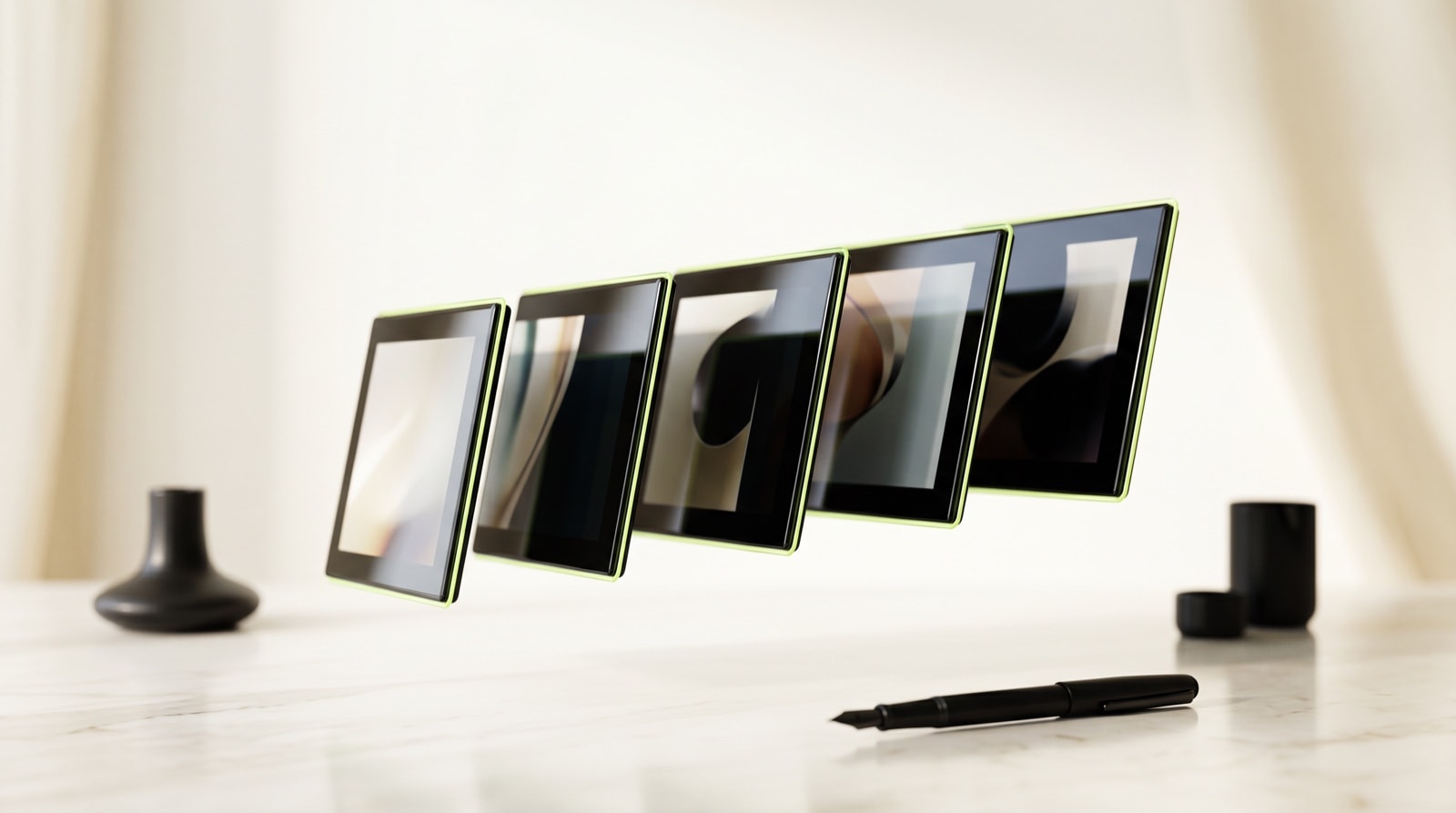
Can AI-made ads still show our real product?
Yes. Every video ad, ad image and product photo we make with AI starts from your real, unedited product photos. We never redraw or extend the photo itself, so the label, the colour and the shape stay true, and each film is checked against the real product before you see it. You review the script and the reference images first, nothing is delivered until you approve it, and each project is quoted before any work starts.
What do you make?
We are AI WISE, a Singapore-based digital marketing agency serving Asia. With AI, we make:
Video ads
Ad images
Product photos and marketplace images
Can AI make our product photos instead of a photoshoot?
Yes. If you have clear photos of the product itself, we build the scenes around it with AI — the product on a bathroom shelf, on a café table, in someone’s hand — without booking a studio, a photographer or a location. What stays real is the product: we use your original, unedited photo of it, and we never redraw or extend the photo itself, so the label, the colour and the shape are the ones your customer will receive. What AI makes is everything around it.
A photoshoot is still the better choice when the product itself has to be photographed for the first time, or when a buyer must see real people wearing or using it up close; we will tell you which one your brief needs.
Should your ads come from a production house or from AI?
It depends on what the ad has to show. A production house is the better choice when real people must be on camera — your founder, your staff, a customer telling their own story — or for a brand film you will run for a year. AI is the better choice for ads you need to test and refresh: many versions of one idea, built around your real product photos, in days rather than weeks. Many brands use both.
Real people who have used your product
A production house
Films them: founders, staff, customers
AI content production
Never: an AI person does not speak as a customer
Your product exactly as it is
A production house
Filmed on set
AI content production
Built from your original, unedited product photos; the product is never redrawn
Many versions to test
A production house
Each new opening or offer means more shooting or editing time
AI content production
Made from the same film, so testing several openings is normal
Time from brief to first film
A production house
Often four to eight weeks for a filmed brand video (one Singapore production company’s published timeline)
AI content production
Days, not weeks
Scenes that are hard to film
A production house
A location, a permit, a crew for the day
AI content production
Any scene around your product: a hawker table, a bathroom shelf, Orchard Road on a rainy evening
Festive versions
A production house
Another shoot, or the same film with new text
AI content production
A Hari Raya, Deepavali or Chinese New Year version of the same ad, without booking a crew again
When we would point you to a production house
If the heart of your ad is a person — why the founder started, a real customer’s own words, your team at work — film it. We will say so on the first call. If your product has never been properly photographed, a short product shoot comes first; after that, we build the scenes around those photos.
Questions about choosing
- Is an AI video ad cheaper than a filmed one?
- What makes a filmed ad cost more is the shoot itself: the crew, the studio or location, the talent and the day's equipment. An AI ad has none of those. What moves its cost is how many films you need, how long they are, and how many versions you want to test. We quote each project before anything is made.
- Will customers trust an ad made with AI?
- They trust what is true in it. That is why the product in our ads is always your real product from your own photos, and why no AI person ever claims to have used it. Where a platform asks for an AI label, the ad carries one.
Words added last, so they stay sharp
How is a video ad made?
A film starts with your product, your buyers, and the ads your competitors are running now in Meta's, Google's and TikTok's public ad libraries. From that we choose one reason to buy, write the script, and show you the faces, places and product shots the film will be made from. You approve those, then the film itself; the captions and logo go on last.
Each step, with real examples: how we work.
How are ad images made?
For a set of still ads, we record your product's real sizes, colours and materials first, so no image can show something it is not. Each image gets its own reason to buy, and every one is made at the same size with your exact product in it, ready for your ad account or marketplace listing. Every set is reviewed before you see it.
Can I see examples?
Yes. We invented six brands so we could show the whole process in the open, from the brief to the finished film and a set of ad images. The brands are not real companies; the method is the one we use for clients.
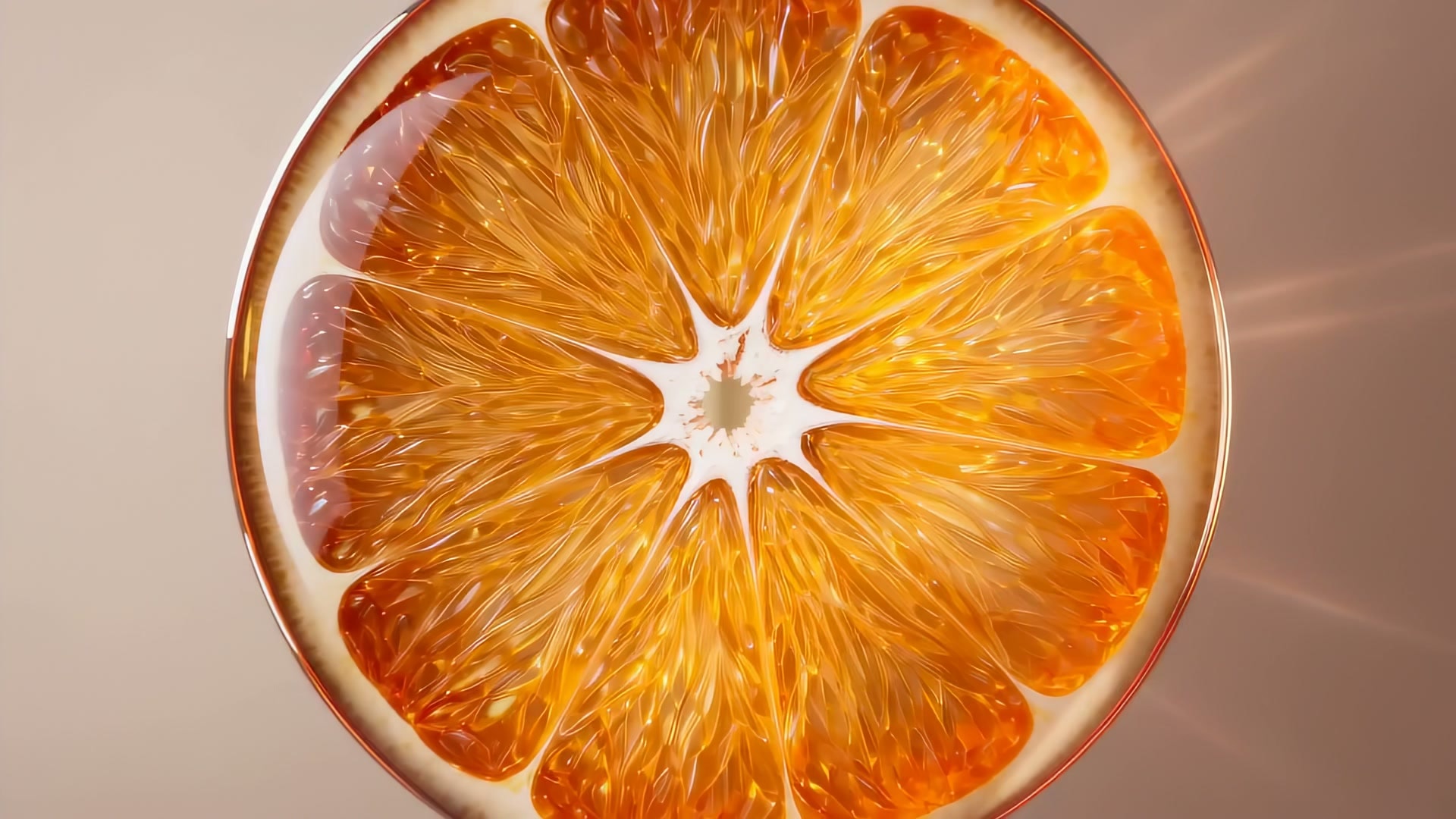
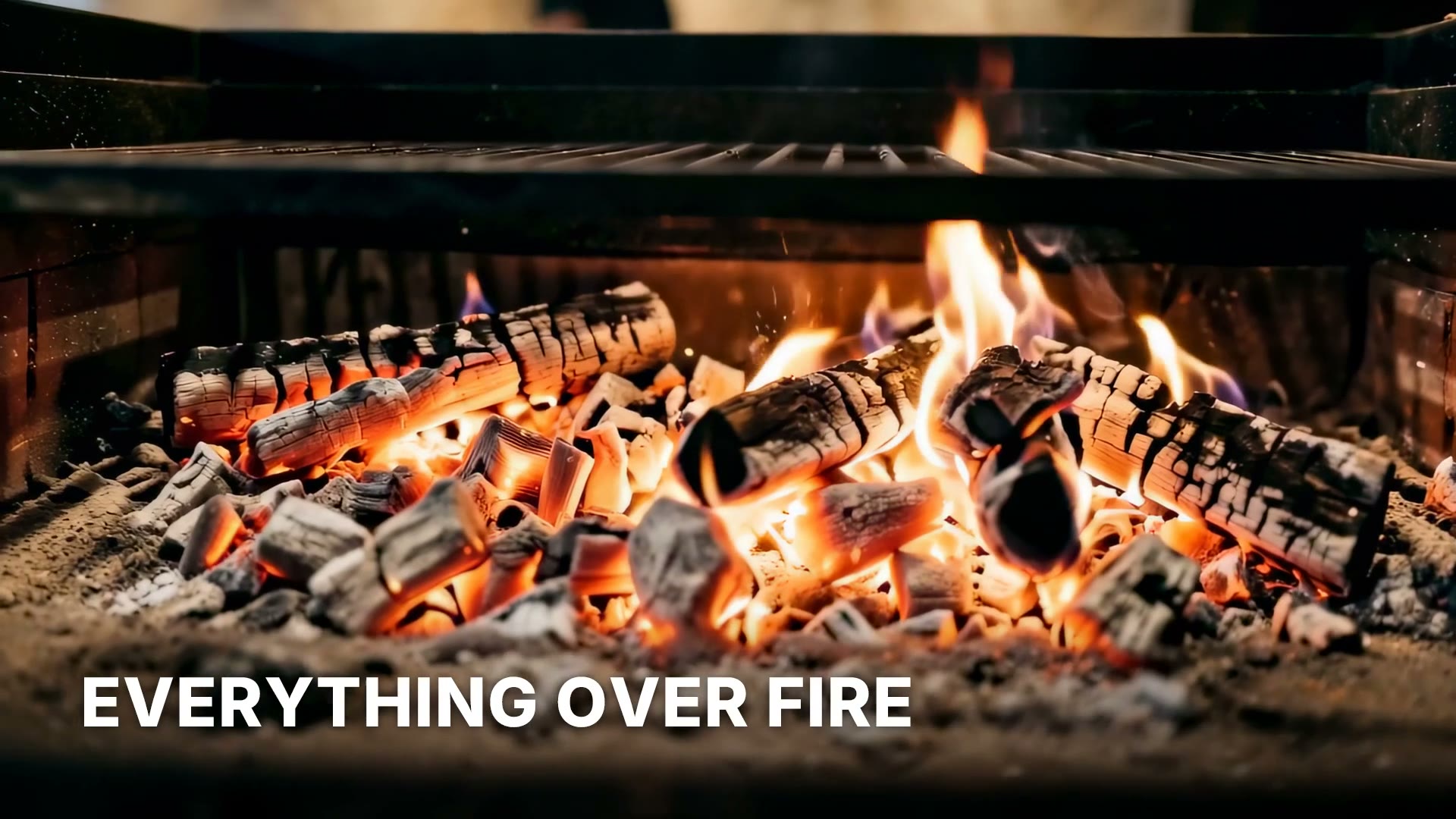
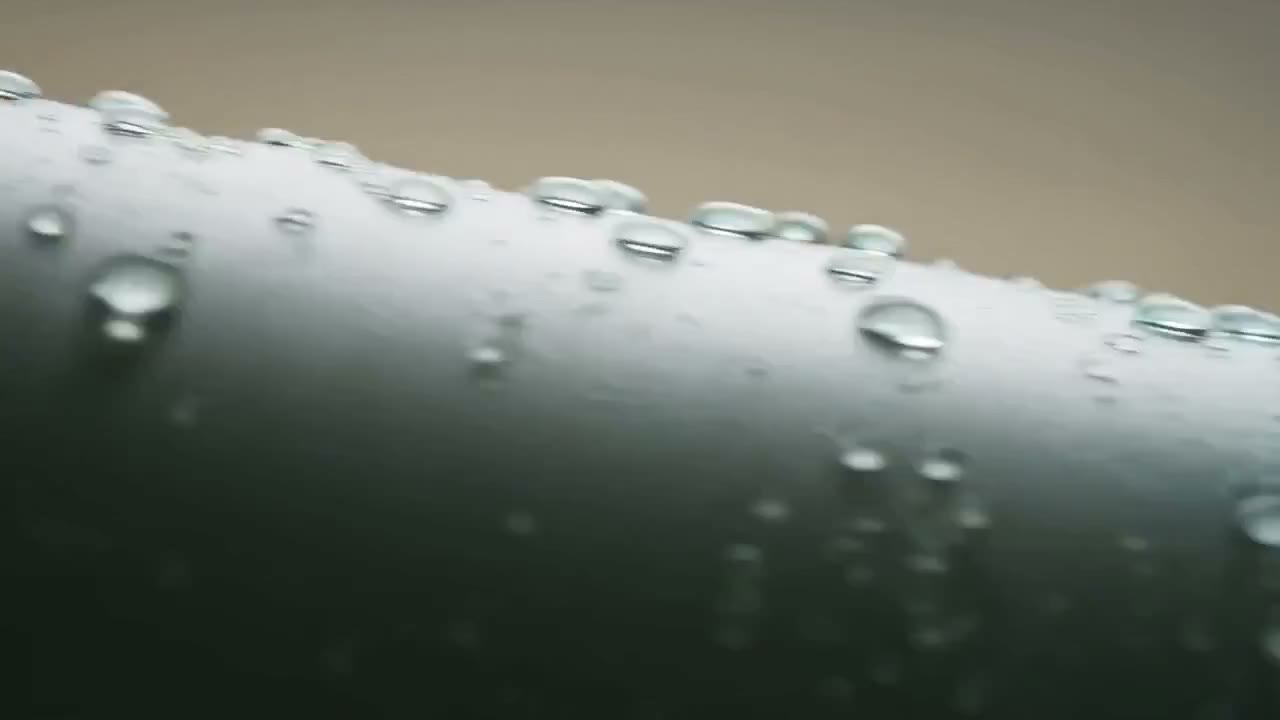
Four of the brands we invented, and what each film shows.
| Concept brand | Product | Film |
|---|---|---|
| SÉVANE | Vitamin C serum | Motion graphics, 15 seconds |
| FLOE | Everyday drinkware | Motion graphics, 15 seconds |
| BRANNR | Wood-fired dining | TV-style spot, 15 seconds |
| POISE | Fintech app | Motion graphics, 15 seconds |
All of them, from brief to ad set: the six concept brands. More sample films, grouped by style: video styles.
How do you know it worked?
The test of an ad is what it does to your cost of winning a customer, and that is what Buy&Ship’s result measures. When Buy&Ship, a cross-border shopping and shipping service, moved from running its own Google Search ads to Facebook and Instagram video ads run by us, in Singapore and Malaysia, its cost per acquisition (CPA) — the ad spend behind each new request — fell from S$25.30 to S$3.49. Those were Meta video ads in 2025; the result is about the ads and how they were run, and we do not claim AI made them.
How we keep AI ads honest
Only real customers speak as customers
Your product stays exactly as you photographed it
What does it cost?
Content production is quoted per project, so you know the cost before anything is made. We don’t publish prices. What moves the cost is how many films and images you need, how long the films are, and how many versions you want to test — for example, three different opening lines for the same film.
How we charge for each of our services is on our page about AI WISE as an AI marketing agency in Singapore.
Questions about AI content production
Every film starts from your real, unedited product photos, and each film is checked against the real product before you see it.
Yes. You can review the script and the reference images before the film is made, and you review a cut before anything is final. Nothing is delivered until you approve it.
Facebook, Instagram, TikTok and Google, in any shape from tall 9:16 to wide 16:9, including 3:4, square and 4:3.
Finished films are delivered at 1080p or 4K, with your logo and end card added cleanly at the end.
On some platforms, yes. TikTok, for example, asks that an ad made with AI carry its AI-generated label or a clear disclaimer, and rejects or restricts ads where it finds AI content that was not disclosed (TikTok’s ads policy on misleading and false content, read 6 Oct 2026). We add the label wherever a platform asks for it.
Yes. We run Facebook, Instagram, Google and TikTok ads as a separate service, so the team that makes the ad can see what it does once it is live.
Digital advertising management