AI content
Can we make our own product photos with ChatGPT?
By DongHyun Kim, Co-founder, CTO and COO · Last updated
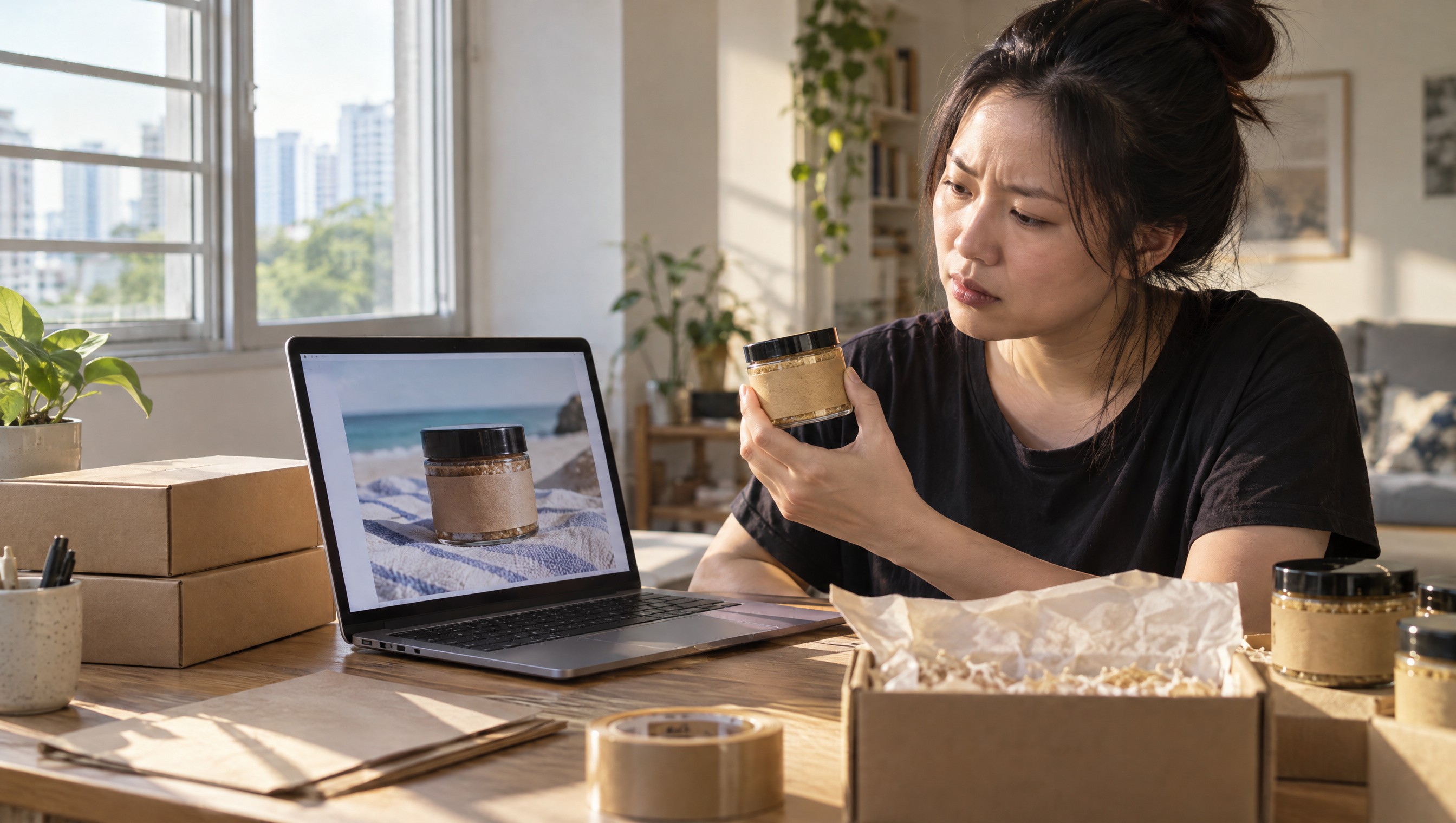
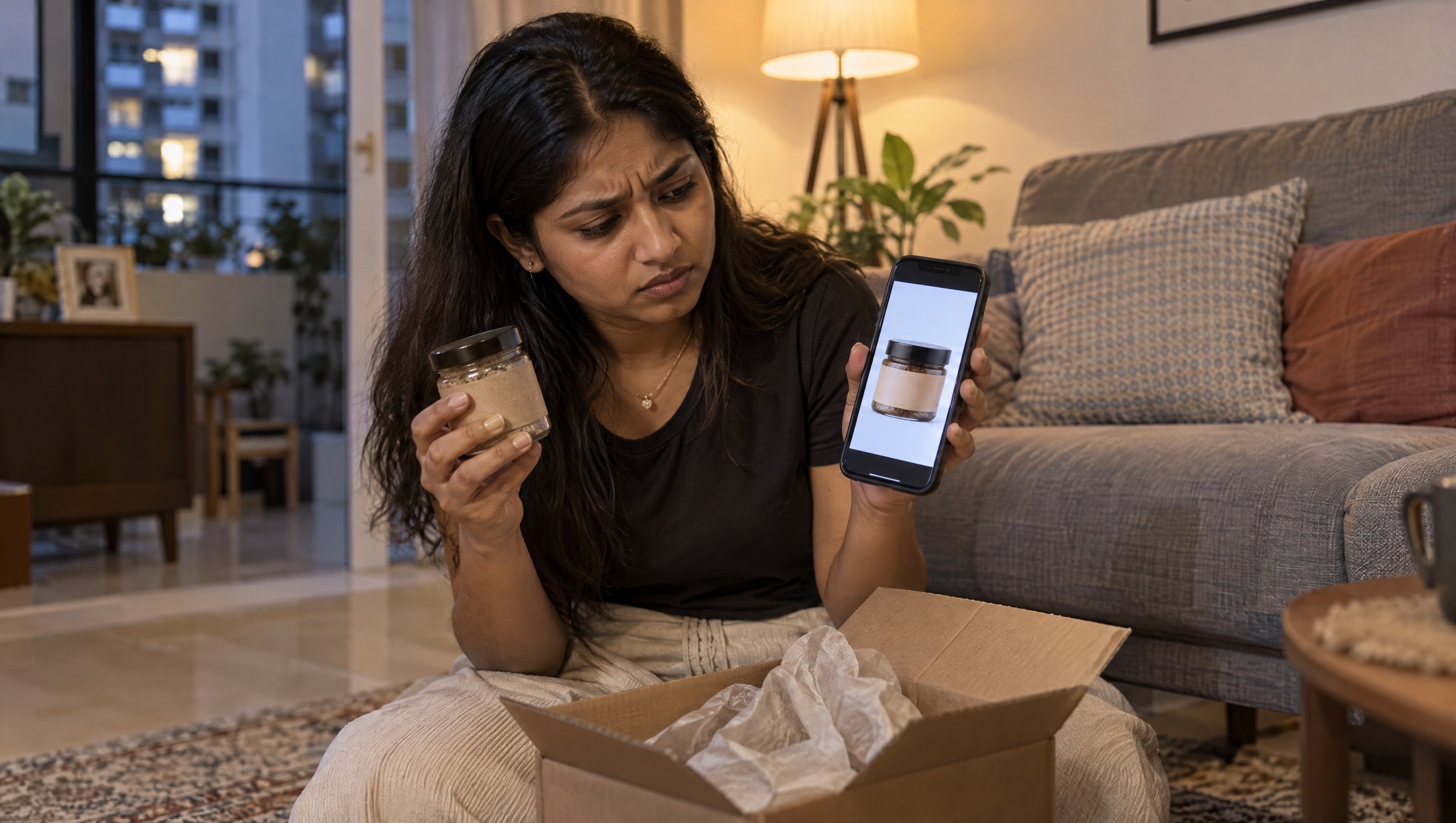
A customer opens the parcel and lifts out the jar. She looks at the shop's picture on her phone, then at the jar again. The lid is shorter.
Nothing is wrong with the jar. The picture is what changed. An AI made it, gave the lid a little extra height, and nobody checked it against the real thing.
That gap between the picture and the parcel matters more now. On 4 November, OpenAI updated the picture maker inside ChatGPT, on every plan. It is faster, it is starting to turn a still picture into a short moving one, and OpenAI says it keeps products and brand details the same from one edit to the next.
Most sale pictures made this way will be fine. A few will show a product the shop doesn't sell.
Can we make our own product photos with ChatGPT now?
Yes, for pictures where the scene matters more than the small print: social posts, festive settings, ideas to try before a shoot, and short moving pictures for a post. Keep real photos for anything a buyer uses to decide what will arrive: the main picture of a listing, the label, the colours and the sizes. Whatever you make, start every picture from your real photo, and check it against the product itself before it goes out.
Why a good picture can still show the wrong product
ChatGPT doesn't cut your product out of the photo and paste it into a new scene. It makes a whole new picture, product included, with your photo as its guide.
Think of a skilled painter asked to paint your jar from a photo. The painting can be lovely. It is still a painting, and the lid may come out a little taller than yours.
Two tests this year show how often that happens. One maker of AI photo tools tried four leading AI picture tools on 850 real products. About one picture in five came out with the logo or the words on the pack wrong. In a smaller test by another maker, five AI picture tools, OpenAI's among them, each made pictures of the same serum bottle. Every one kept the words on the label. None kept the exact bottle. OpenAI's, for one, made the cap taller, changed the pump and made the bottle wider.
Both tests come from companies that sell these tools, and both were run before this week's update. Read them as a reason to look closely, not as a forecast for your own products.
What "the same from edit to edit" really means
The update is a real step forward, and a widely used one: people make about 4 billion pictures a week with it. Ask for your jar on a bathroom shelf, then on a beach towel, then beside a Christmas tree, and it should stay one jar across all three.
But "the same" means the same as the picture before it. If the first picture gave your jar a taller lid, every edit after it can keep that taller lid, faithfully.
So build every new picture from your real photo, never from the last AI picture. ChatGPT now lets you save a picture to use again without uploading it each time. Save your clearest real photo of each product that way, and start from it every time. A small change then stays in one picture, where you can catch it, instead of spreading through the whole set.
What to make in ChatGPT, and what to keep real
One rule covers most cases. The closer a buyer looks at the product in a picture to decide, the more that picture has to be the real thing.
Make these in ChatGPT:
- Posts where the scene is the point. Your candle on a table set for Christmas dinner, small in the frame. People look at the table. The candle only has to be clearly yours.
- Ideas before you spend. Try ten settings for a new range in an afternoon, show them to a few customers, and then shoot or have made the one they liked.
- Pictures with no product in them. A background for a sale banner, a picture for a blog post, a festive frame for your holiday opening hours.
- A short moving picture for a post. Steam rising from a mug, a ribbon sliding off a gift box. The update is reaching accounts gradually. Make the moving version from a still you have already checked.
Keep these real, or have them made from the real photo and checked:
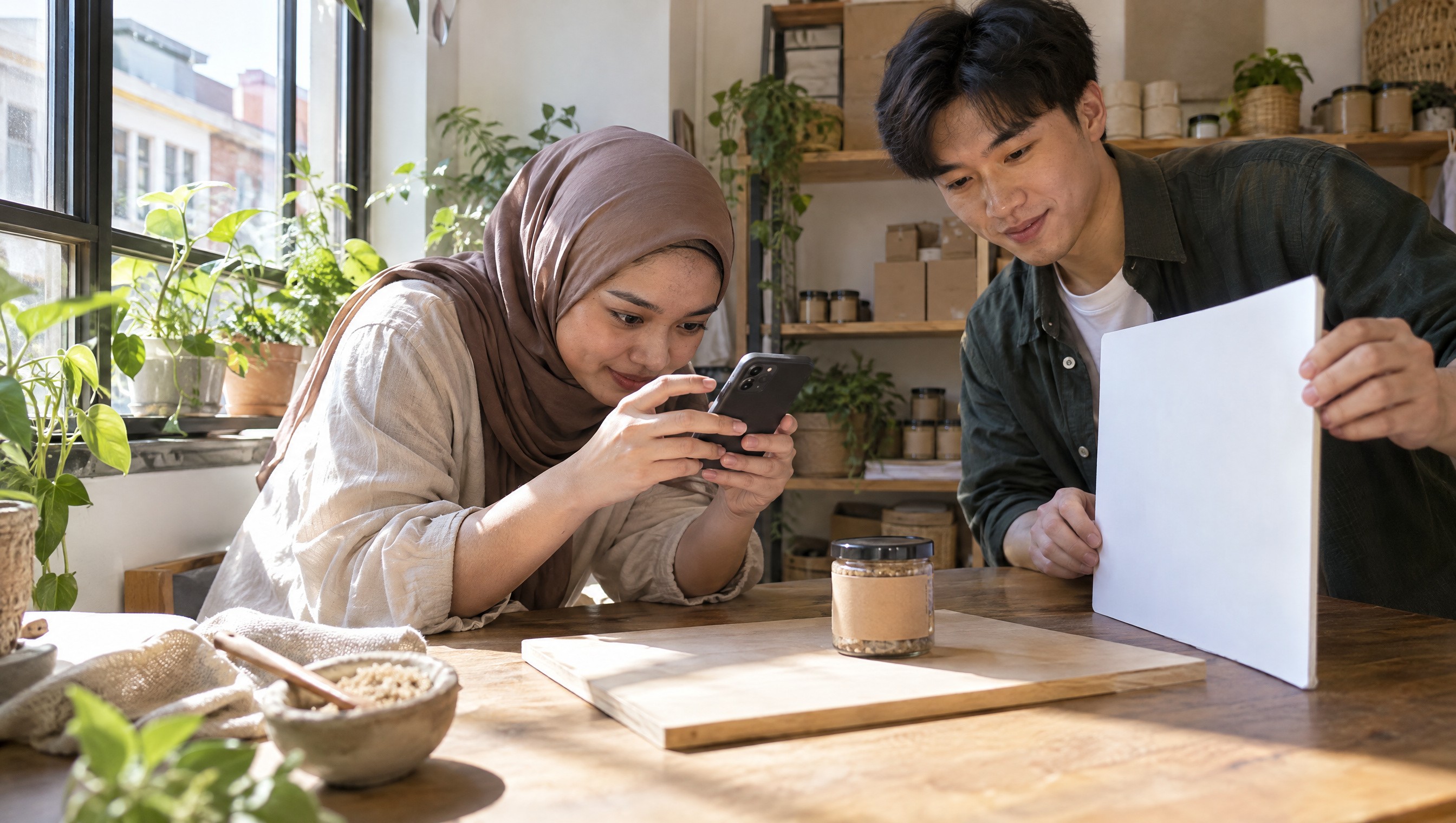
- The main picture of a listing. On Shopee, Lazada or your own shop, it is the picture a buyer orders from. A clear photo of your own product does this job well, and our guide to being found with a photo search shows how to take it.
- Labels, ingredients, sizes and colours. These are what a buyer holds up against the real thing when the parcel arrives. A shade that is slightly off is a refund waiting to happen.
- A matching set for paid ads. Ten pictures that must look like one campaign and run for weeks. A wrong detail in the first is repeated in all ten, in front of everyone the ads reach.
- Anything held, worn or used up close. Hands around the product, a bag on a shoulder, cream on skin. Buyers judge size, fit and texture from these.
This is about more than returns. Singapore's consumer law counts it as an unfair practice when a seller does or says anything that might reasonably mislead a buyer. A product picture that doesn't match the product can do exactly that.
Making them yourself, or having them made
Making pictures yourself costs your time and a careful eye. It suits the first group above, and it suits trying things out.
Having them made costs a quote, and buys someone else's time and checking. It is worth it for the second group, when you need many pictures in one look, or when you sell enough that a wrong picture would reach a lot of buyers.
Whoever makes them, ask how they keep the product true. Good answers sound like this: they start from your real, unedited photos, they write down the product's real size, colours and materials before they begin, they build the scene around the product, and they check every picture against the real thing before you see it.
Check every picture before it goes out
Before your sale pictures go up this week, put each one through the same check.
- Put the real product beside the screen. The product itself, in daylight, not a photo of it.
- Read every word on the pack in the picture, letter by letter: your name, the product's name, the size.
- Look at the shape. The lid, the pump, the corners, and how tall it is next to how wide.
- Count the parts. Anything missing from the box, or anything added that you don't sell: a ribbon, a spoon, a second colour.
- Compare the colour on your phone as well as on your computer.
- Ask one question. If a customer received this product after seeing this picture, would anything surprise them? If the answer is yes, don't post it.
Questions owners ask
Should we stop paying for product photos?
Not for the pictures buyers decide from. A clear photo of the real product is still the base, whether you take it on your phone by a window or book a shoot. What changes is everything around it: the extra settings, the festive versions and the ideas, which can now be made from that one good photo.
What if our product has never been photographed properly?
Take that photo first, or book a short shoot. Every AI picture is only as true as the photo it starts from.
Do we have to say a picture was made with AI?
Where the platform asks, yes. TikTok, YouTube, Facebook and Instagram each have their own rule, and our article on AI presenters sets out where each one asks for a label. A label tells buyers how a picture was made. It doesn't change what they expect to find in the box.
Can AI WISE make our product photos?
Yes. AI WISE is a Singapore-based digital marketing agency serving Asia, and AI content production is part of our work. We begin with your real, unedited product photos and note the product's real sizes, colours and materials before anything is made. The AI builds each scene around your product, and every picture is checked against the real thing before it reaches you. Each project is quoted before work starts. See how our AI content production works.