Social media
Why does our social media get likes but no sales?
By DongHyun Kim, Co-founder, CTO and COO · Last updated
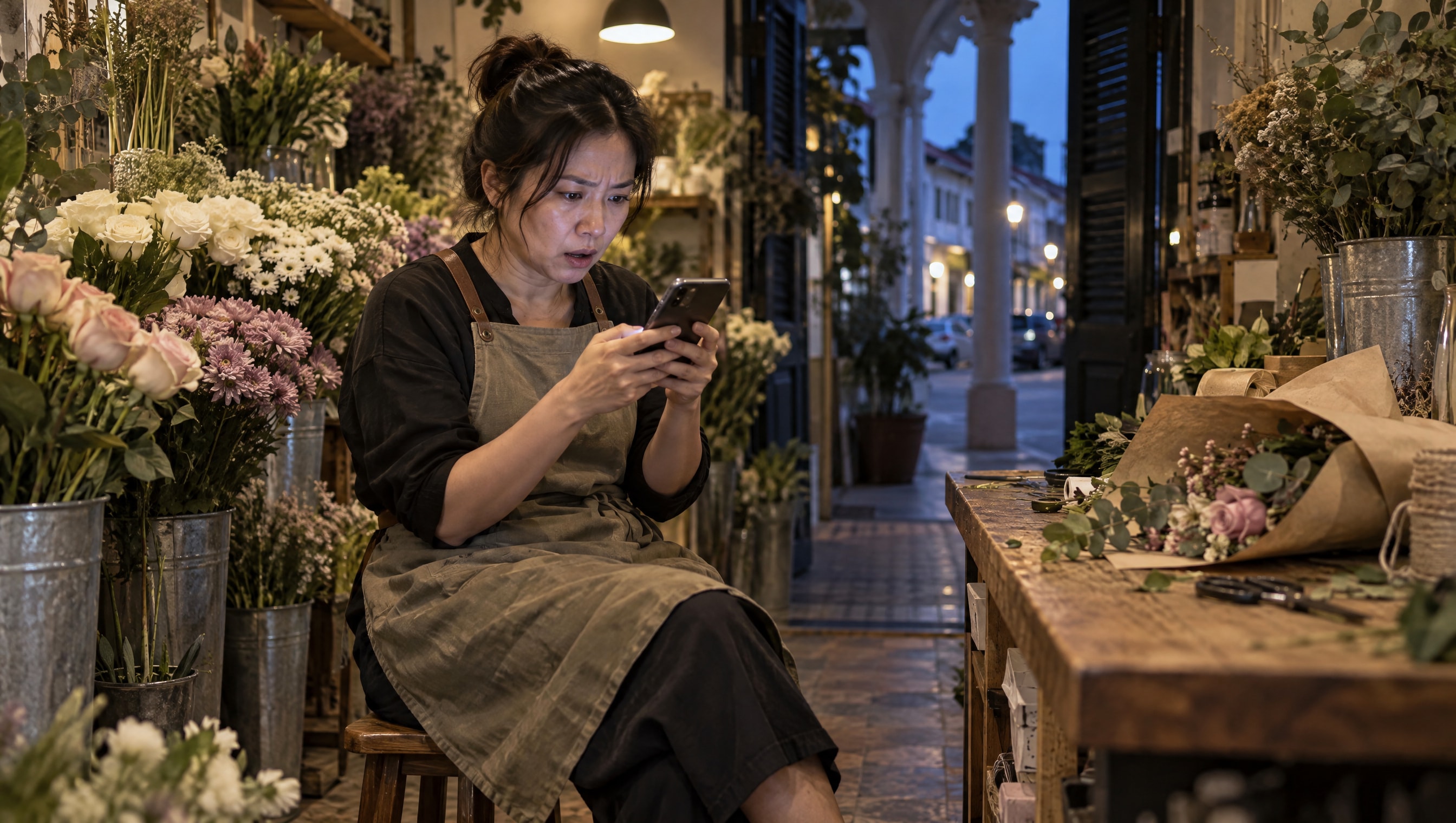
Every evening after closing, a florist in Joo Chiat posts the day's best bouquet on Instagram. Sixty-odd likes. A few "so pretty!" comments, mostly from friends.
Her orders this month came from the same regulars as last month.
On Sunday she scrolls further down her messages than usual. Three strangers, all from last week: "How much is this one?" "Can you deliver to Punggol on Saturday?" "Do you do flowers for a hospital visit?"
Nobody had answered. Three people asked to buy, and she never knew.
Why don't likes turn into sales?
Because a like costs nothing, and most likes come from people who already know you. Sales start with something that costs a little more: sending your post to a friend, saving it for later, or messaging you to ask. So post what people want to pass on, put the price and the way to order in every post that sells, answer every message within the day, and each week count the messages and orders, not the likes.
A like is a smile at the shop window
Think of your page as a shop window on a busy street. A like is someone smiling at the display as they walk past. A send is someone stopping to take a photo for a friend: "this is the place I told you about." A message is someone walking in to ask the price.
All three are nice. Only the last one is about to pay you.
Instagram sees it much the same way. Its head, Adam Mosseri, has said that watch time, likes and sends are what matters most when it decides what to show people. Likes count a little more with the people who already follow you. Sends, people passing your post to a friend in a message, count a little more with the people who don't follow you yet. Instagram's own guide to how it ranks posts lists sharing among the things it tries to predict, beside likes and comments.
So likes keep you in front of your friends and regulars. Sends carry you to new customers.
Post what people want to send to a friend
Nobody forwards a pretty photo with no point. People send a post when it helps someone they know, or says something they want to say. For a small business, that usually means four kinds of post.
- The answer to a question customers ask you every week. "Which flowers last longest in our heat?" "What can I bring to a hospital visit?" Whoever reads it thinks of the friend who asked last week, and sends it on.
- A post made for a moment. A colleague's farewell, a baby's first month, a sorry. Say who it is for in the first line, and the reader already knows who to send it to.
- The people and the work behind it. Your hands at the wholesale market before dawn, the order that went wrong and how you put it right. Mosseri's own advice is to make what people would want to send to a friend, and a face and a story give them more reason to than a product on a table.
- What it costs and how to order, in every post that sells. "WhatsApp us by 2pm for delivery the same day" in the post itself. A window with no prices makes people guess, and many who would have to ask simply walk on.

The sale is waiting in your messages
When someone does ask, the clock starts. In one large survey, almost three in four social media users said they would buy from a competitor if a brand didn't reply, and most expect an answer within a day. The florist who answers on Tuesday a question asked on Saturday has usually lost that order to the shop that answered on Saturday.
Most of the fix is habit.
- Open every inbox at set times, twice a day. Instagram, Facebook, TikTok, WhatsApp. Scroll past the first screen: the new customers are often further down than the regulars.
- Keep your answers ready. The five questions you get most, price, delivery, custom orders, how long it lasts, how to pay, each with a short answer saved in your phone's notes, ready to paste and finish in your own words.
- Reply to comments too. In a study of nearly two million posts, Instagram posts whose owners replied to comments did about a fifth better than those accounts' usual posts.
- Move the chat to where you take orders. If orders run on WhatsApp, say so in every selling post and put the number in your profile, so the second message is the order.
Count what pays you, once a week
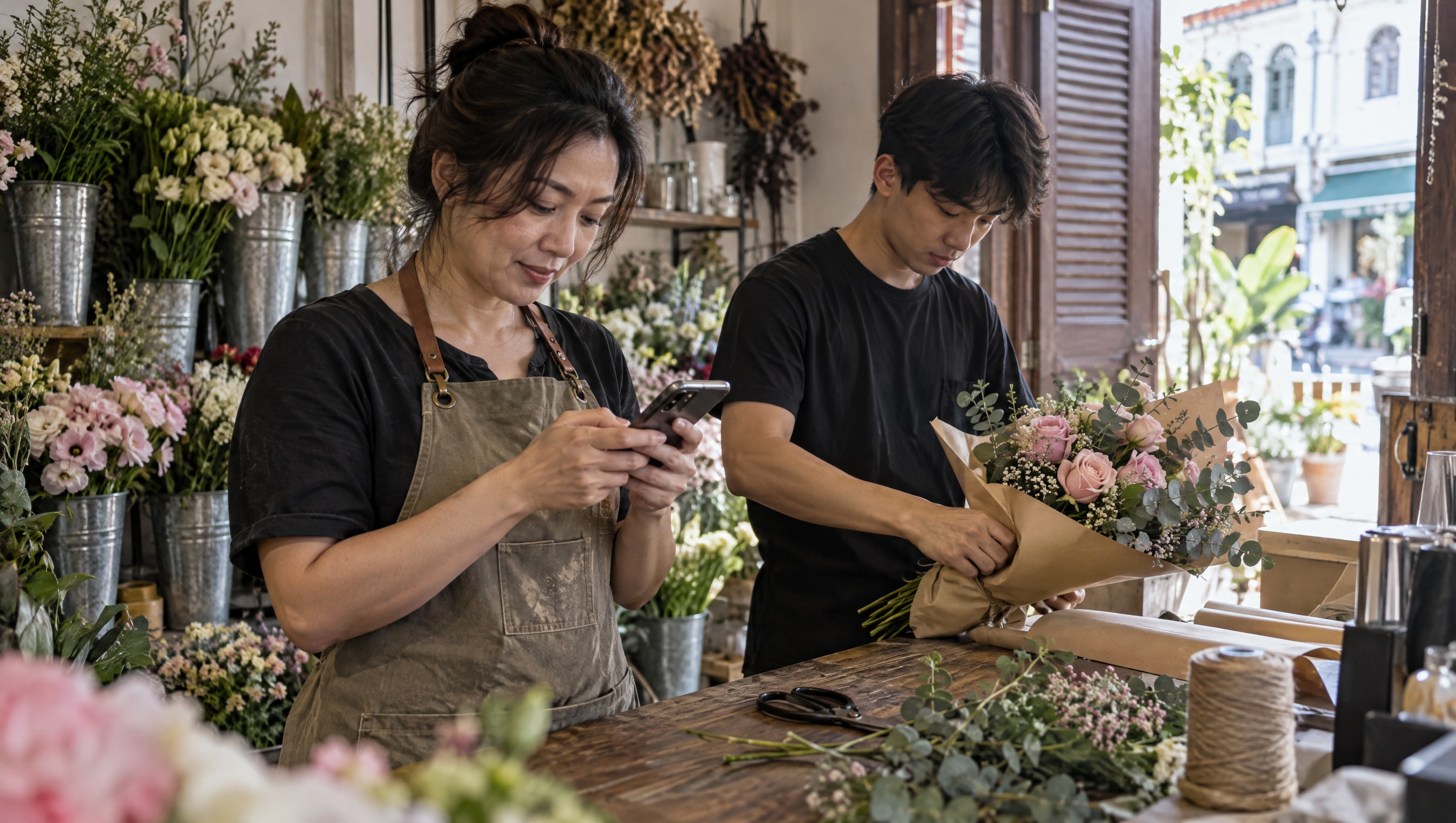
Likes are easy to count, so they become the score without anyone choosing them. Choose a different score. Every Friday, write down three numbers.
- How many messages asked about buying.
- How many of those became an order.
- Which posts people sent on or saved most.
And ask every new customer one question: "How did you find us?"
After a month the pattern shows. Make more of the posts that brought messages. Stop making the ones that only brought likes, however pretty they were.
What to do this week
- Open every inbox, scroll to the bottom, and answer everything still waiting, however old.
- Write down the five questions customers ask you most, and turn each answer into a post.
- Add the price and the way to order to your next three selling posts.
- Set two times a day to check messages and comments, and save your ready answers in your phone's notes.
- Start the Friday count: messages, orders, and the posts people passed on.
- Ask every new customer how they found you, and write down what they say.
Questions owners ask
How often should a small business post?
As often as you can keep it up with posts worth sending. One useful post a week that never stops does more than a month of daily posts that then goes quiet. Most small accounts stall because the posting stops when the shop gets busy, not because it was too slow to start.
Should I pay to boost the post with the most likes?
Boost the one that brought messages or orders instead. A post that made strangers ask is already doing the job an ad is for, and money behind it reaches more people like them. A post that only collected likes from friends will mostly collect more likes.
Do we need to be on TikTok as well as Instagram?
Only if you can do both well. Both are big here: by one count, TikTok's ads reach about 3.8 million adults in Singapore and Instagram's about 3.35 million people. Start where your customers already look, do it properly, and add the second when the first runs without you.
When is it worth handing our social media to an agency?
When the posting keeps stopping, when messages wait because everyone is busy, or when nobody can say what the account brings in. AI WISE is a Singapore-based digital marketing agency serving Asia. Our social media management plans, makes and posts for your TikTok, Instagram, Facebook and YouTube, looks after each account day to day, and reports each month on the visits and enquiries it brings, not the likes. See how our social media management works.